
BEST Service Pros cleans government and defence facilities in Canada, including military bases, public buildings and libraries. A publicly procured cleaning contract is judged on things a commercial tender rarely asks about: workplace safety certification, a management system that has been independently audited rather than described, security screening of personnel, and reporting that holds up under audit. BEST is COR certified for workplace safety, holds ISSA CIMS Certification with Honours, and operates in British Columbia, Alberta and Ontario.
What public procurement asks of a cleaning contractor
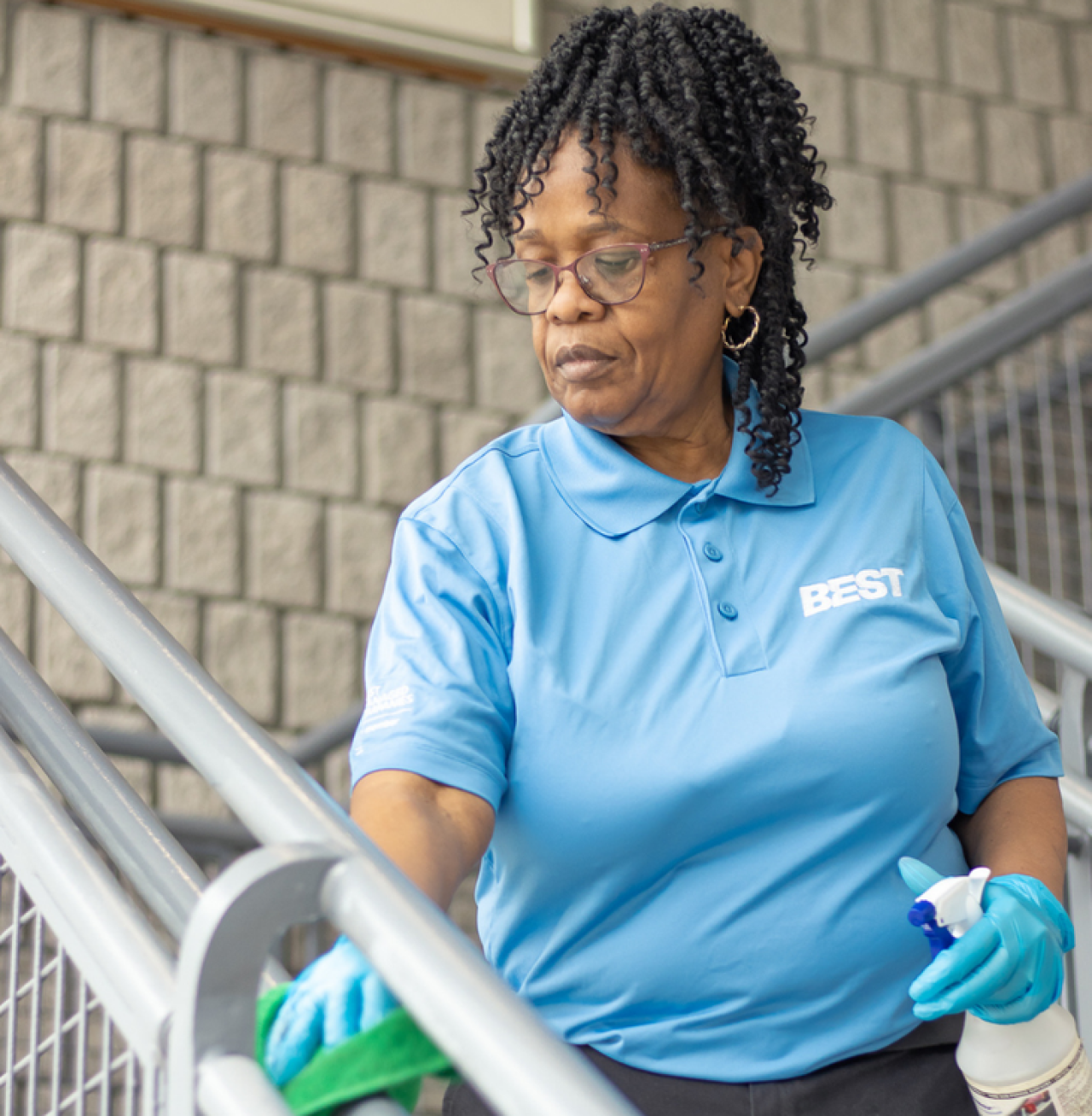
Public tenders screen before they compare. Prequalification usually turns on a workplace safety certificate, documented evidence of a management system rather than an account of one, insurance and bonding limits, and a record on facilities of comparable type and scale. Only then does price come into it, and a well-run evaluation compares productivity assumptions rather than lump sums, because a bid that cannot be delivered at the hours quoted is not the cheapest bid.
COR certification is a common prequalification condition rather than a differentiator, and BEST holds it. ISSA CIMS Certification with Honours goes further: it means the management system behind the work has been audited by a third party. BEST also holds GBAC STAR Facility recognition for outbreak prevention and response.

Defence facilities: a base is a small city behind a fence
The building mix is the first thing that separates base work from commercial cleaning. A single contract can span hangars and maintenance workshops, barracks and quarters, messes and galleys, medical and dental clinics, training facilities and classrooms, gyms, warehouses and administrative offices. Each carries a different standard, a different access rule and a different tolerance for disruption. A programme that treats them as one building fails at the first inspection.

Working under controlled access
Personnel working on a defence site are security screened, and access is normally granted by area rather than to the whole site. That shapes ordinary things: which crew members can service which buildings, how equipment and supplies enter and where they are stored, and how a shift handover works when the outgoing and incoming crews cannot meet inside a restricted zone. Programmes are built around access constraints rather than around the most efficient cleaning route.
Cleaning around changing activity levels
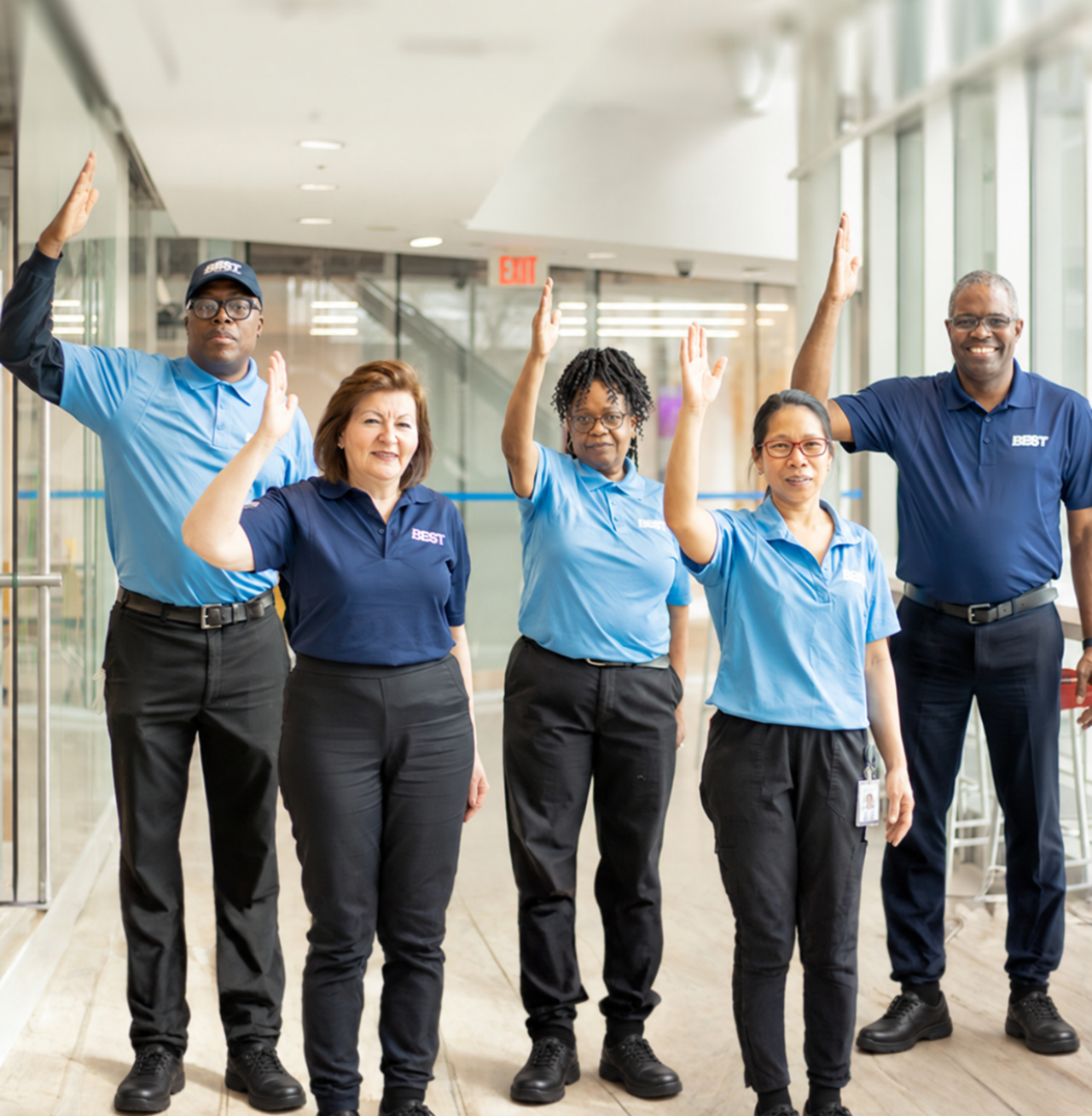
Of course, contracts change by client, but usually, a Base activity does not follow a nine-to-five pattern. Exercises, deployments, intakes, and shift rotations move demand around the site, sometimes at short notice, and a building that was half empty last month can be at capacity this one. Contract structures that hold up here separate a stable baseline from a variable component, so the base is not reopening scope every time activity changes. Screening timelines matter to this too, because cleared staff cannot be added overnight.
Public buildings and libraries
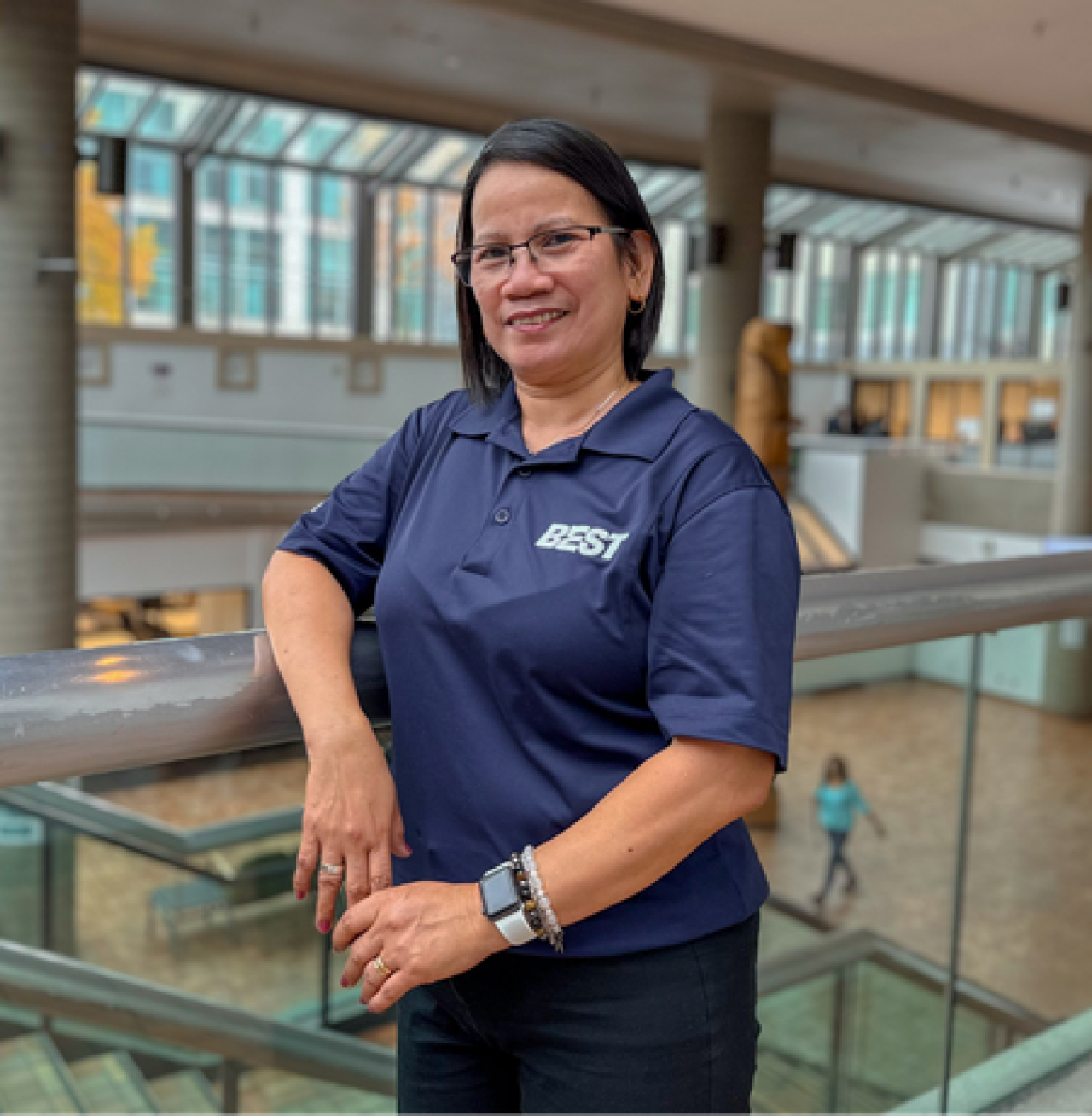
Public buildings share the procurement and access requirements of a defense site without the scale. A city hall, community centre or public library carries heavy public traffic through long opening hours, has accessibility obligations that constrain when and how work happens, and has very little tolerance for disruption while the doors are open. Work is normally scheduled around public hours rather than into them, with day coverage for washrooms, entrances and high touch areas while the building is in use.
Waste and diversion reporting across large sites
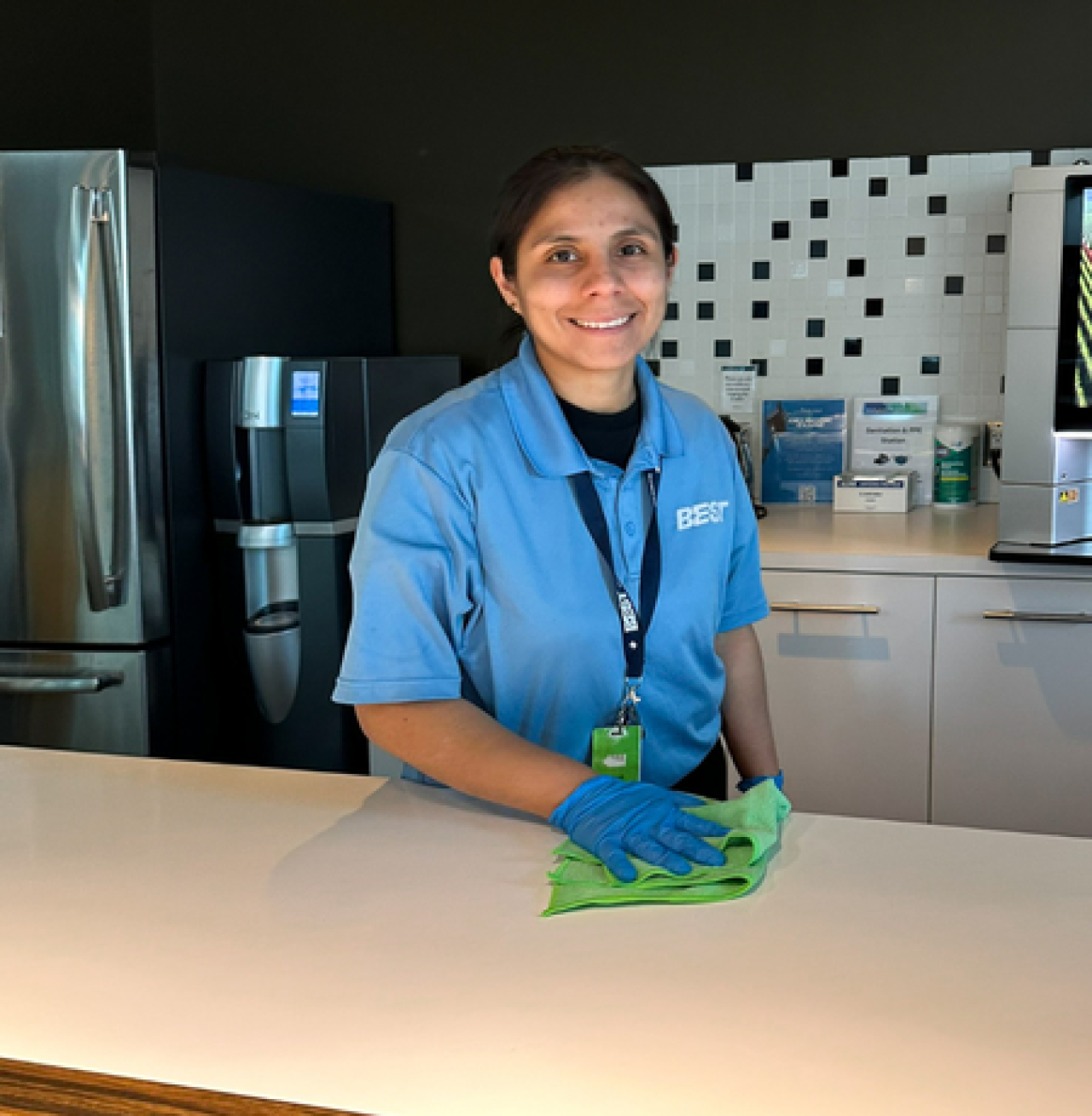
Waste on a base or a large public site runs through a different logistics chain from a commercial building: collection points spread across a wide area, mixed streams from workshops through to food service, and diversion figures the facility has to report against. BEST provides collection, segregation and disposal alongside the custodial programme, which closes the coordination gap between the crew generating waste and the crew removing it.
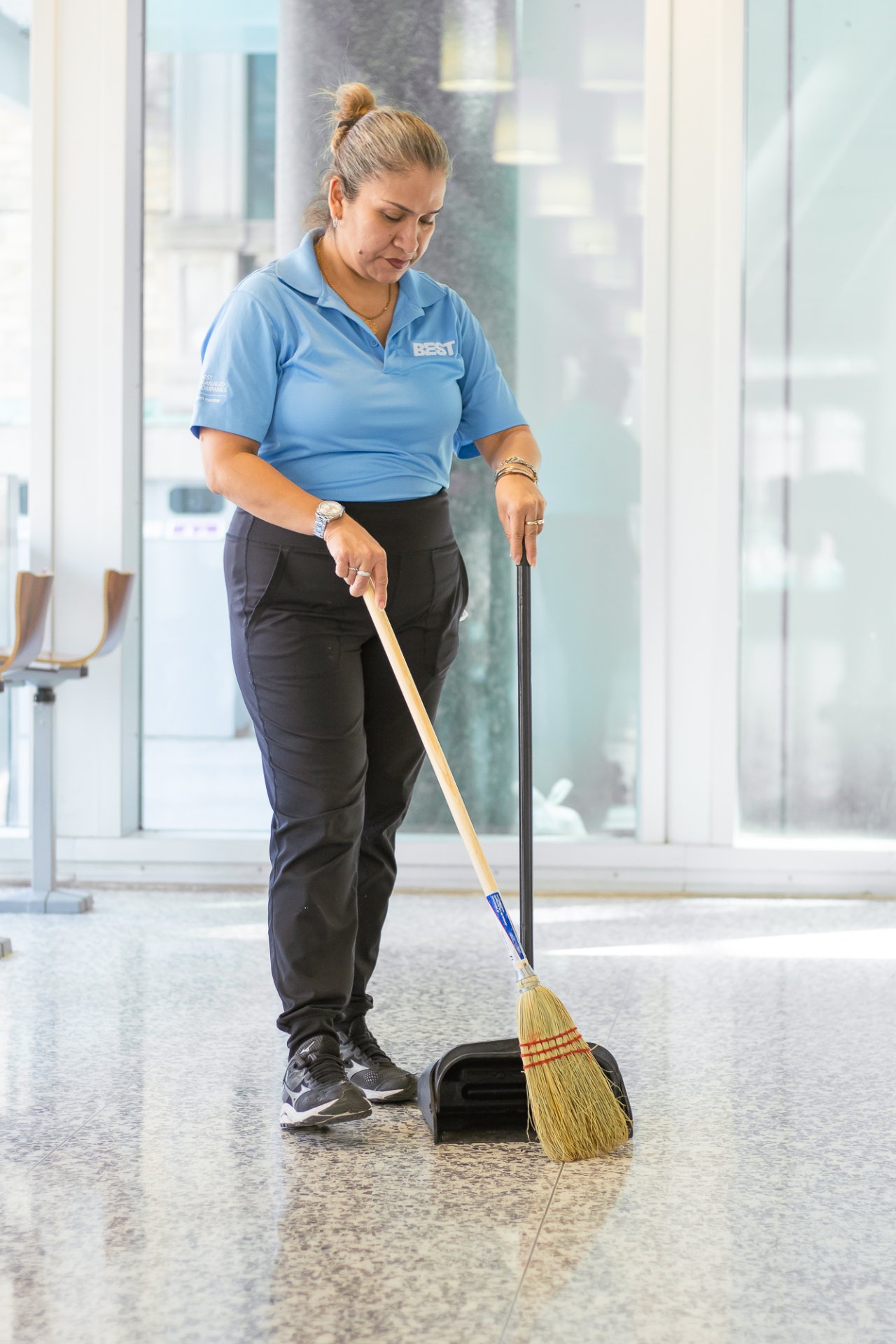
What a contract can cover
Scope is set per site and per building category. A programme is built from:
Defense sites
Administrative and headquarters buildings
Barracks, quarters and residential accommodation
Messes, galleys and food service areas
Hangars, workshops and maintenance facilities
Training facilities and classrooms
Fitness, recreation and sports facilities
Medical and dental clinics
Warehouses and supply buildings
Washrooms and shower facilities, at frequencies matched to occupancy
Public buildings and libraries
Public entrances, lobbies and circulation
Public washrooms, serviced during opening hours
Reading rooms, meeting rooms and programme spaces
Staff areas, offices and back of house
Floor and carpet care scheduled outside public hours
Waste and recycling with diversion sorting
Window cleaning and exterior work including pressure washing, graffiti removal and parking areas are covered under our additional services.
Frequently asked questions - FAQ
Which janitorial companies clean government and defense facilities in Canada?
BEST Service Pros cleans Canadian government and defense facilities, including military bases, public buildings and libraries, covering everything from hangars and barracks to reading rooms and public washrooms. Crews are security screened and BEST is COR certified for workplace safety and holds ISSA CIMS Certification with Honours.
What certifications does a cleaning contractor need for public sector work?
A workplace safety certificate such as COR is the usual prequalification gate, and many tenders will not score a bid without one. Beyond that, evaluators look for an audited management system, commonly ISSA CIMS or CIMS GB where environmental targets apply, plus insurance and bonding at the stated limits and evidence of security screening where the site requires it.
Do cleaning staff need security screening to work on a defense site?
Yes. Personnel working on Canadian defense sites are subject to security screening, and access is normally granted by area rather than to the whole site, so the level required depends on which buildings a crew services. Screening timelines should be built into any transition plan, because they gate when new staff can start.
What makes cleaning a military base different from commercial cleaning?
Three things: a building mix spanning hangars, accommodation, food service, clinics and offices in one contract; access granted by area rather than to the whole site, which constrains who can clean what; and demand that moves with operational tempo rather than a fixed schedule.

Featured Post
BEST joins celebrations on National Indigenous Peoples Day
Every June 21, communities across Canada come together to celebrate National Indigenous Peoples Day. It is an opportunity to recognize and learn more about the histories, cultures, languages, ...
Read more
October 7, 2022
Introducing our Corporate Social Responsibility Framework

September 27, 2022
BEST participates in SASCA's Annual Charity Golf Tournament

June 27, 2022
The Humber Golf Classic 2022!

June 2, 2022
Pride Month!
February 23, 2022
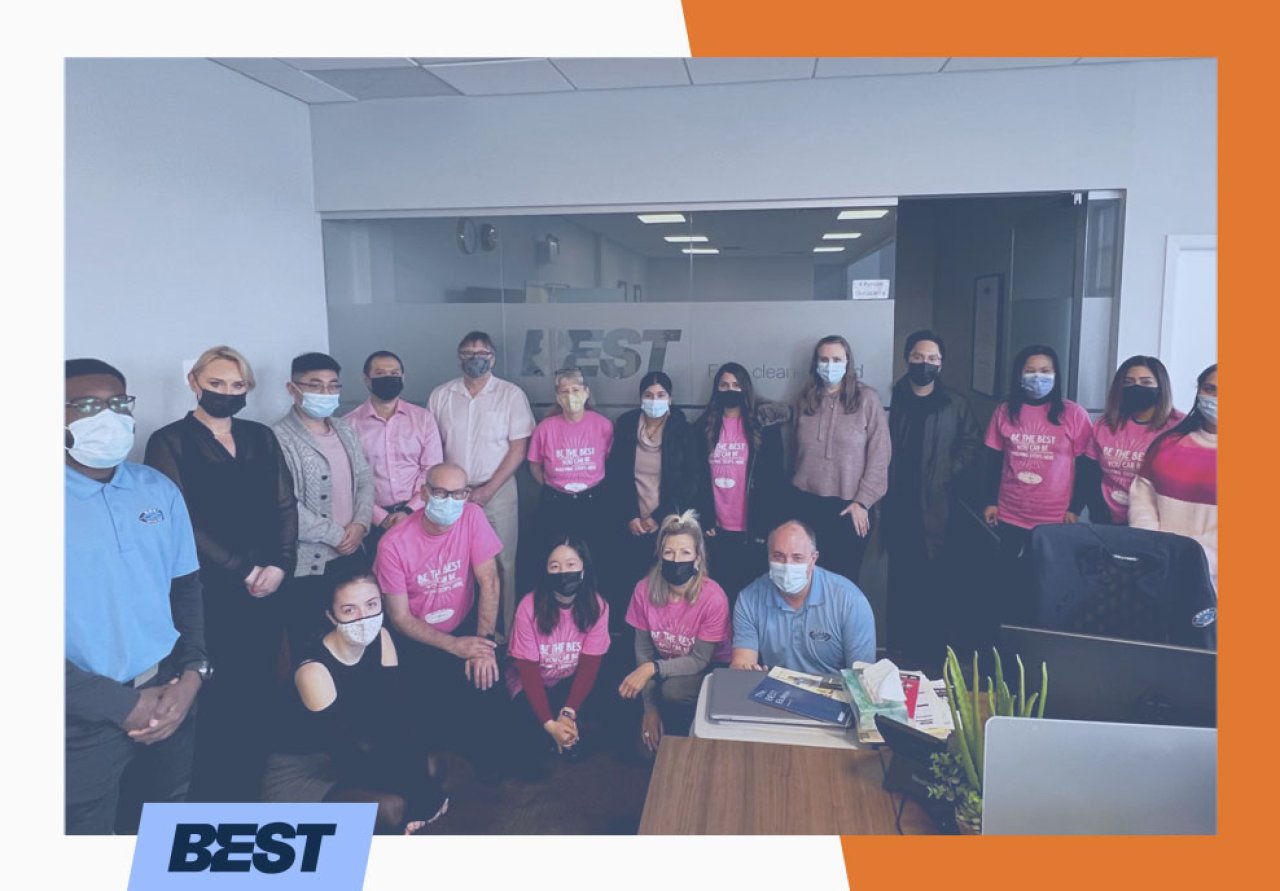
Pink Shirt Day at BEST - Standing up to Bullying
January 26, 2022