
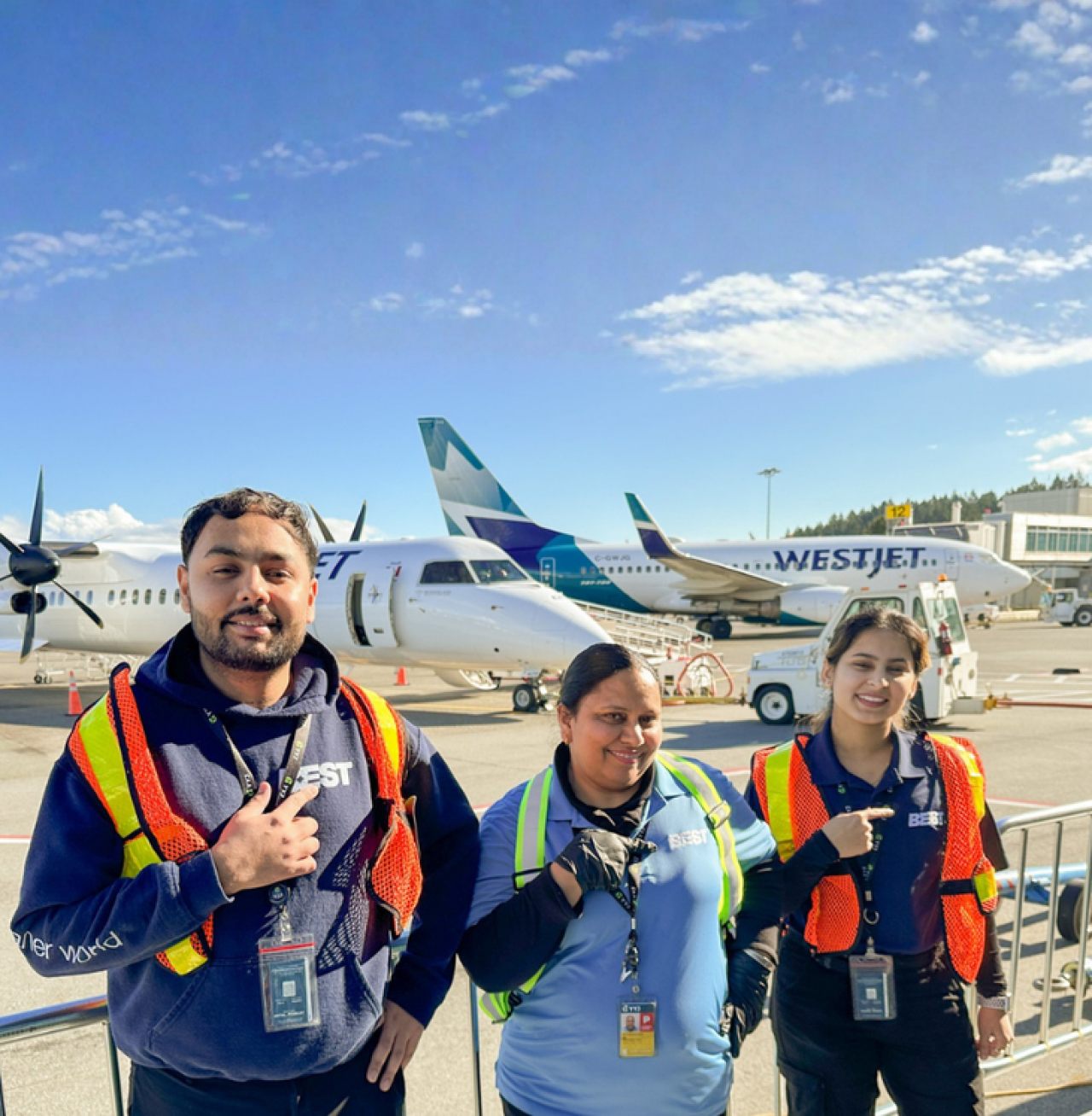
BEST Service Pros cleans airports and transit facilities in Canada. A terminal never closes, so the work is scheduled against passenger flow rather than into a nightly window, and washroom performance is judged by passengers whether or not anyone is surveying them that day. BEST holds GBAC STAR Facility recognition and ISSA CIMS Certification with Honours, and operates in British Columbia, Alberta, and Ontario.
In a terminal, cleanliness is a threshold need
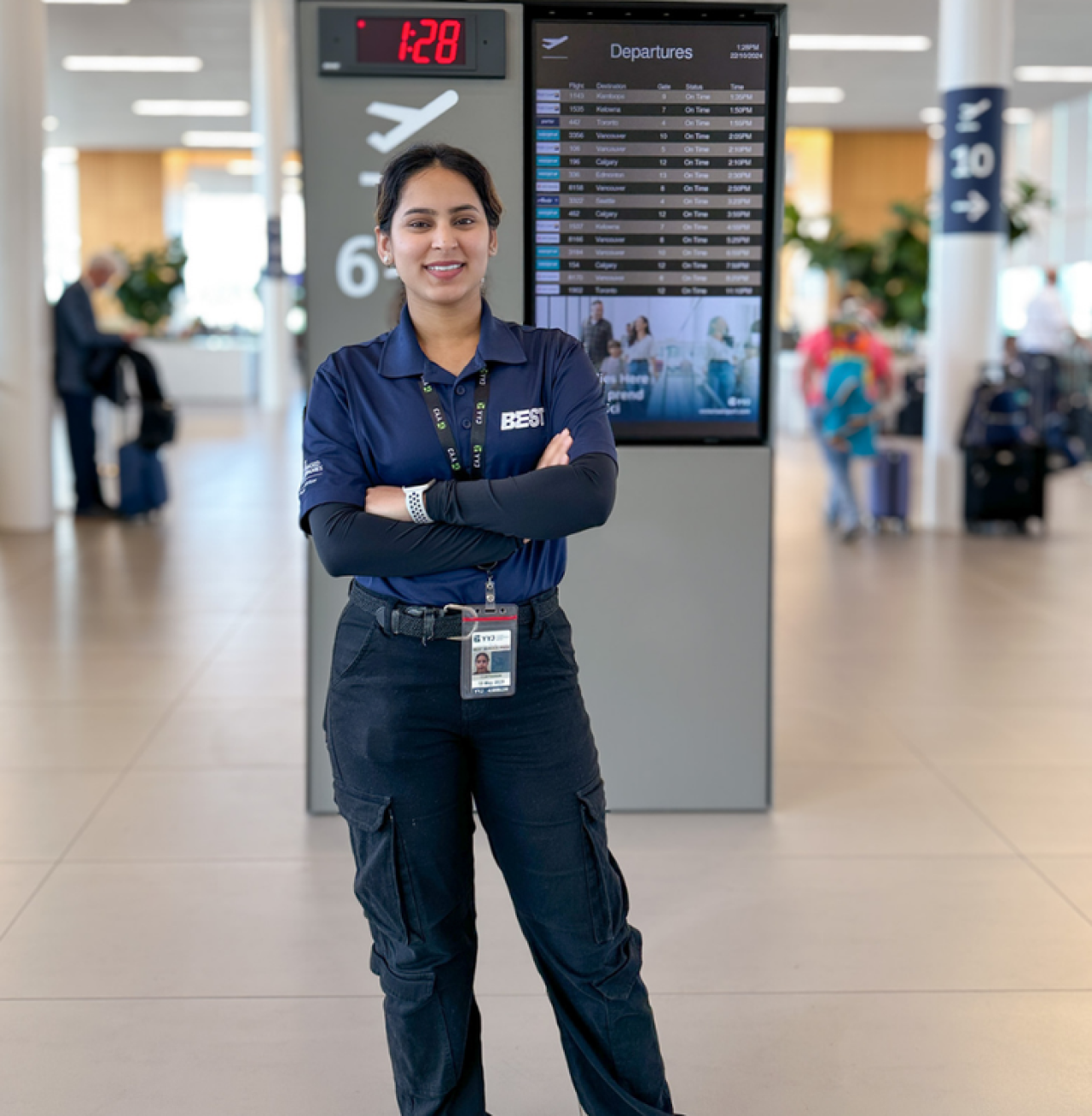
Airports Council International tracks cleanliness inside its Airport Service Quality programme. In ACI's cleanliness best practice report, washroom cleanliness accounts for 32.1 percent of the infrastructure dimension and terminal cleanliness for 23.2 percent, making them the two largest items in it, while infrastructure itself makes up just under a fifth of overall passenger satisfaction.
The more useful finding in that report is how it classifies cleanliness: a threshold need. Passengers do not rate an airport highly because the washrooms were clean. They rate it poorly when they were not. There is no real upside to overshooting and no floor under failing, which is why terminal cleaning is judged on its worst hour rather than its average, and why consistency matters more here than in almost any other building type.
Scheduling against passenger flow, not the clock
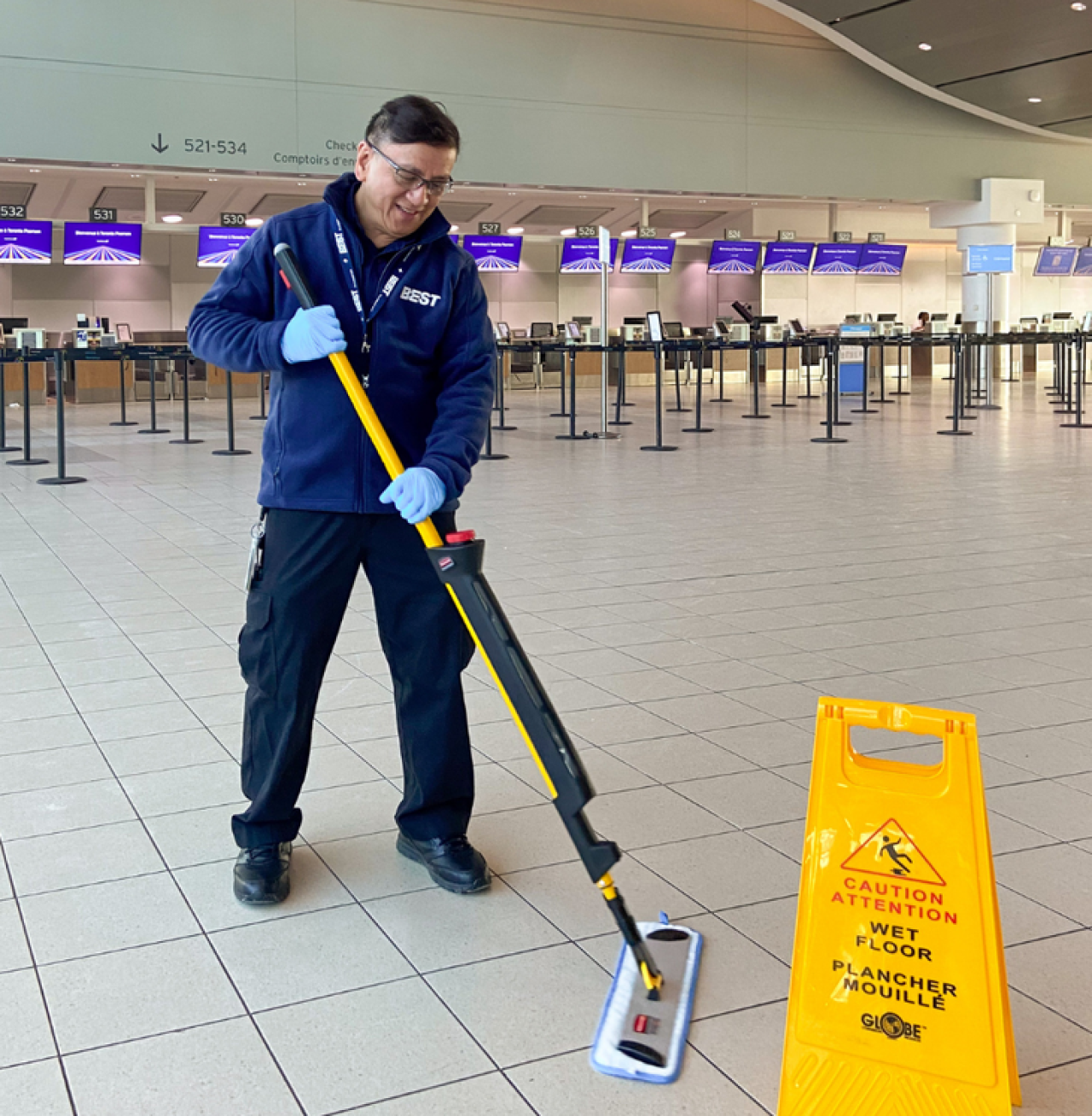
Terminal demand follows the flight schedule. A bank of arrivals, a delayed departure holding a gate area for three hours, and a five in the morning first wave each produce completely different cleaning demand from the same square footage. Programmes built for this set washroom service intervals by throughput rather than by hour, hold porters in the areas that swing hardest, and keep reactive capacity for spills and incidents that cannot wait for the next scheduled round.
Working across public, secure and restricted zones
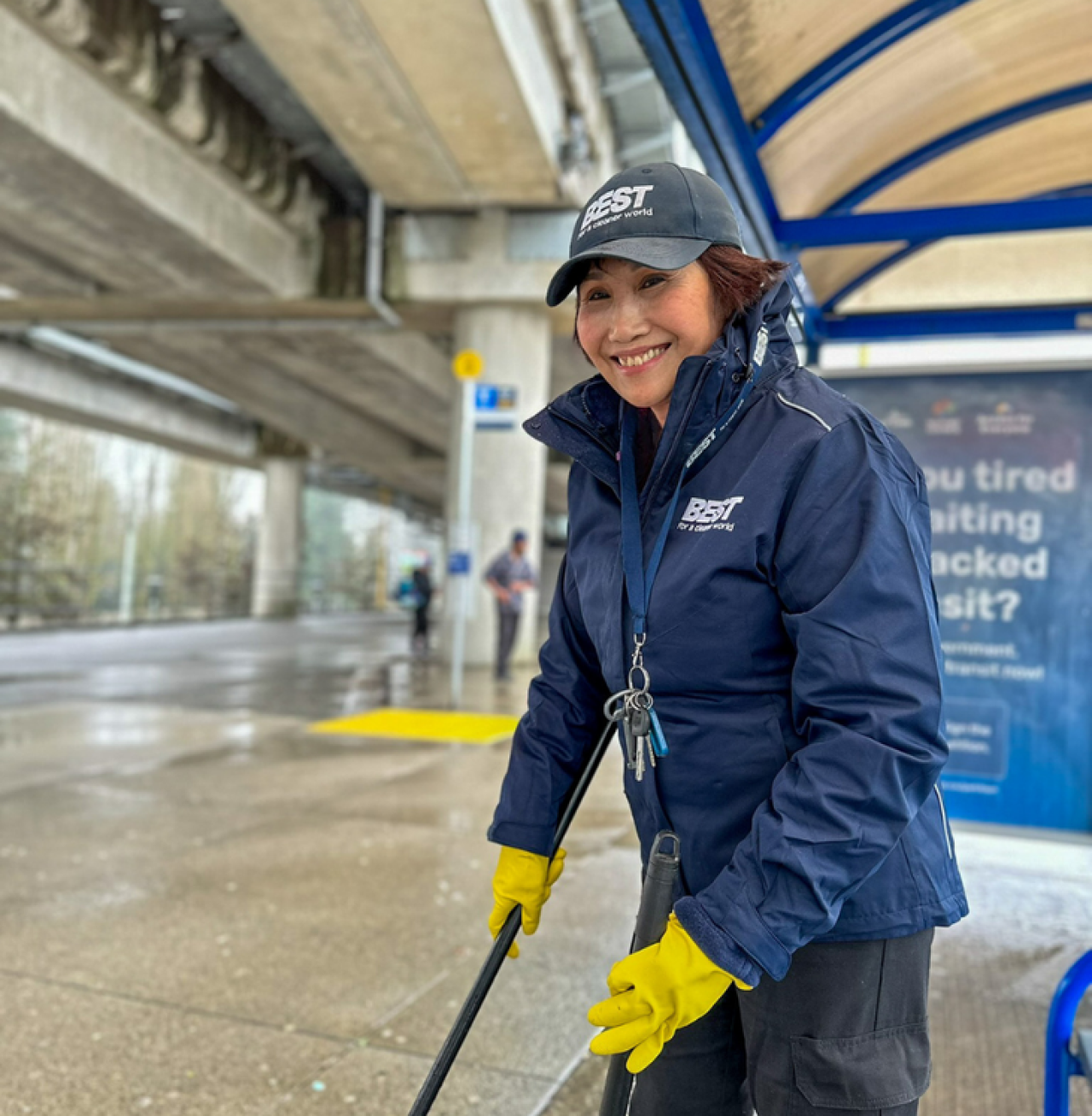
Cleaning crews in a terminal move between public areas, secure areas past screening, and restricted zones. Staff are security screened, equipment and supplies entering a secure area are subject to the same controls as anything else, and some zones require escort. Schedules have to account for the time access takes, not only the time the cleaning takes, which is the detail most commercial cleaning plans get wrong when they are lifted into an airport.
Infection control readiness
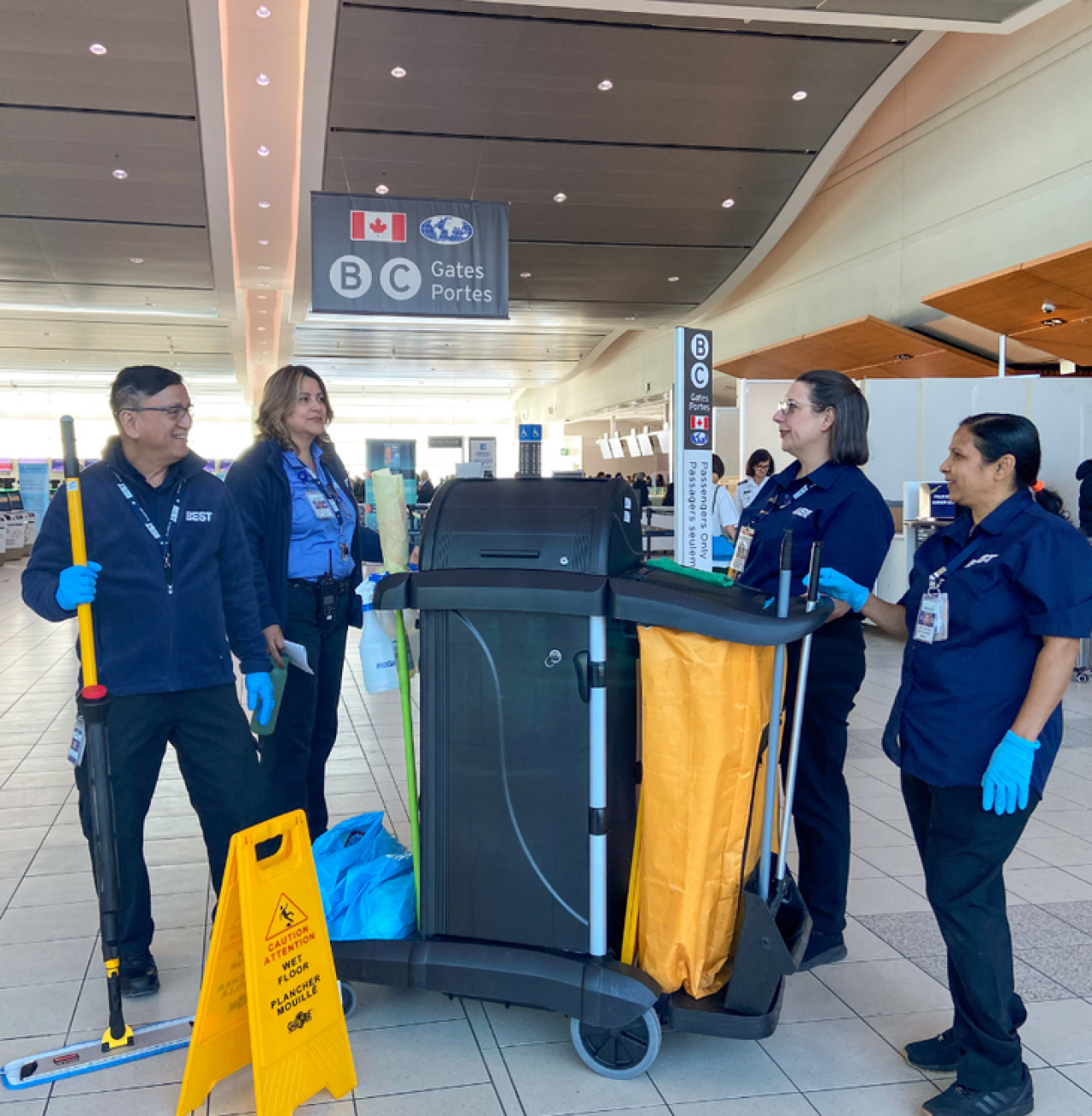
BEST holds GBAC STAR Facility recognition from the Global Biorisk Advisory Council. The programme covers twenty elements, including written cleaning and disinfection plans, documented standard operating procedures with review logs, staff training and protective equipment, touchpoint disinfection at frequencies set by risk assessment, and hand hygiene infrastructure. GBAC issued airport specific guidance early, because a terminal concentrates international traffic onto shared touchpoints in a way few other buildings do.
Irregular operations
A terminal's hardest cleaning days are the ones nobody scheduled: weather holding thousands of passengers overnight, a runway closure, an equipment failure that turns a gate area into a waiting room. Contracts that hold up through those days say in advance who can be called in, how quickly they can be there, and what gets deprioritised while the surge is covered. Contracts that do not say it end up negotiating at three in the morning.
What a terminal contract can cover
Scope is set per terminal and per zone. A programme is built from:
Departures and arrivals halls, check-in and circulation
Gate hold rooms and boarding areas
Washrooms, at intervals set by passenger throughput
Baggage claim halls and carousels
Food service and concession areas
Escalators, moving walkways, elevators and handrails
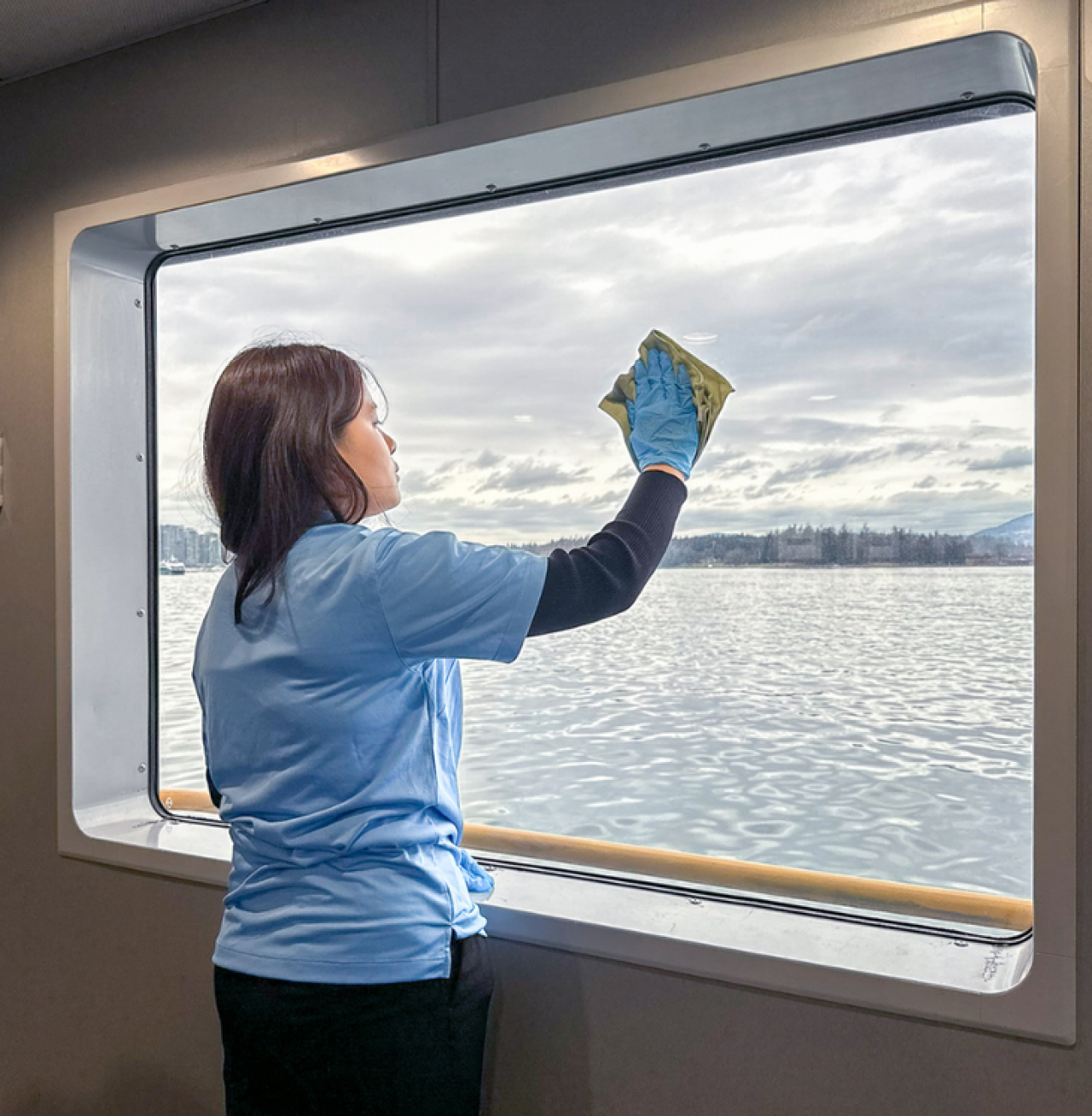
Glass, entrances and vestibules
Back of house, offices and staff areas
Curbside, walkways and parking structures
Frequently asked questions - FAQ
Which companies provide airport cleaning services in Canada?
BEST Service Pros cleans airports and transit facilities in Canada, covering terminals, gate areas, washrooms, baggage halls and concession areas on a continuous operation with security screened staff. Crews are security screened and BEST is GBAC STAR accredited for infection control.
How often should airport washrooms be cleaned?
By throughput rather than by clock. A washroom next to a gate handling a wide body arrival needs service within minutes of that bank clearing, while the same washroom at 2pm may need none. Fixed hourly rounds overservice quiet periods and underservice peaks, which is how airports end up with poor washroom scores despite adequate total labour hours.
What is GBAC STAR and why do airports ask about it?
GBAC STAR is a facility accreditation from the Global Biorisk Advisory Council covering twenty elements of cleaning, disinfection and infectious disease prevention, including written plans, documented procedures, training and risk based touchpoint disinfection. Airports use it because a terminal concentrates international traffic onto shared touchpoints.
How is airport cleaning performance measured?
Most Canadian airports track the ACI Airport Service Quality scores for terminal and washroom cleanliness, alongside their own inspection audits, passenger complaint volume and response times on reactive calls. Washroom cleanliness is the single largest component of the ASQ infrastructure dimension, so it is usually the number a terminal services manager is held to.